

Ears Waxing Gallery
$$MultiPurposeText$$
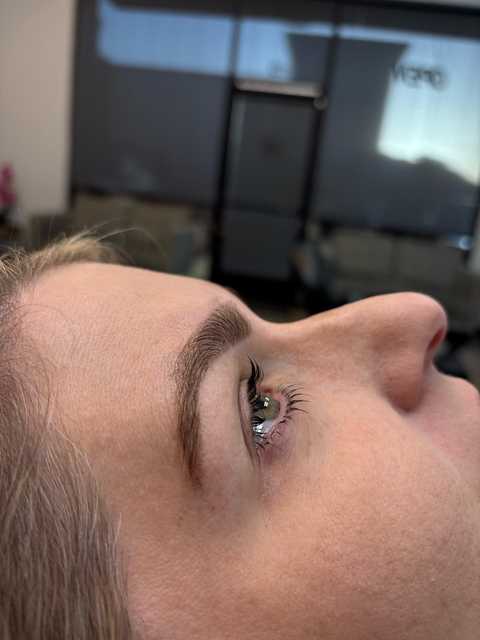
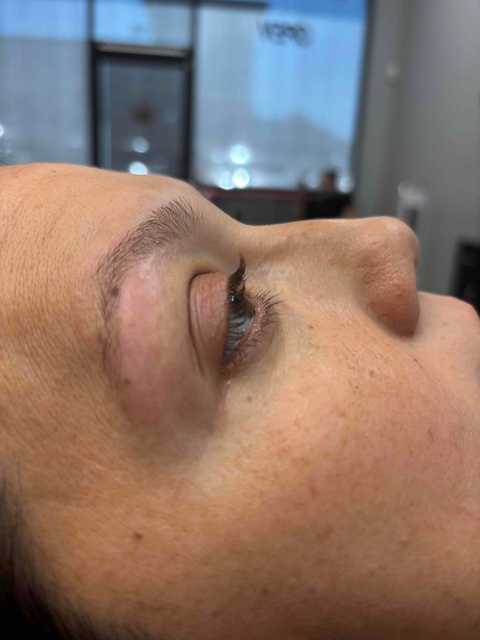
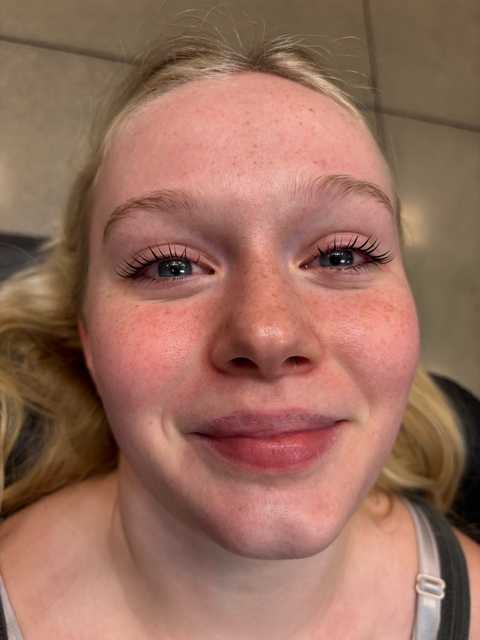
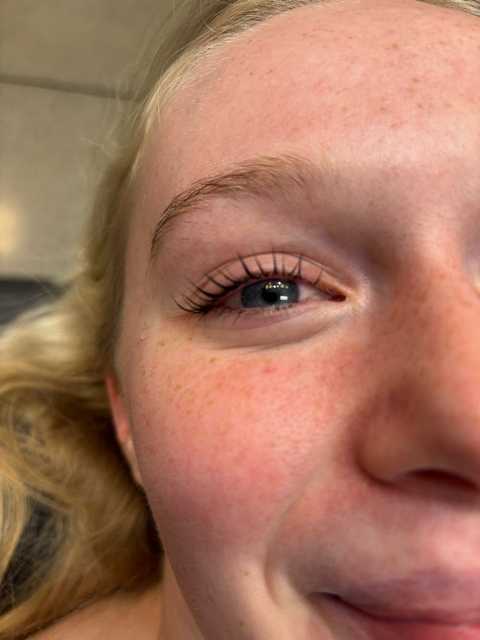
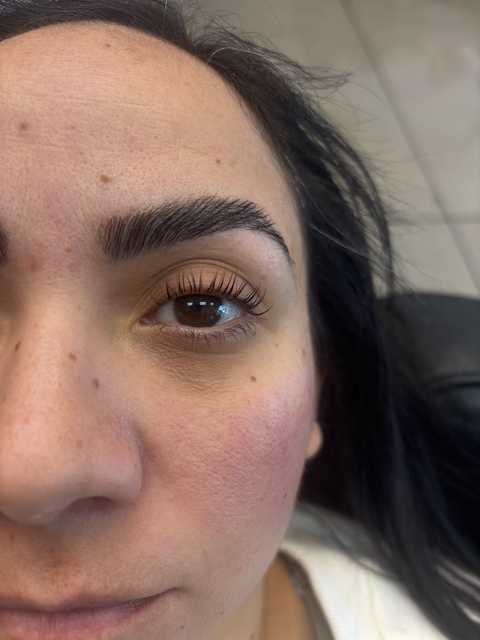
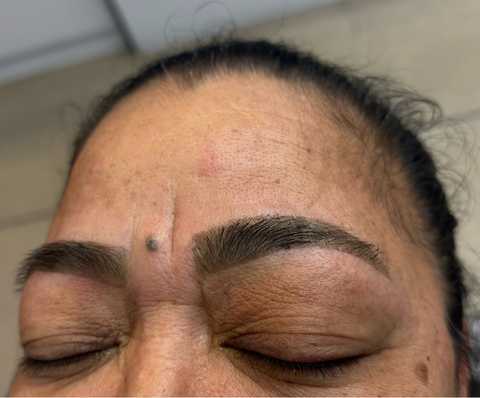
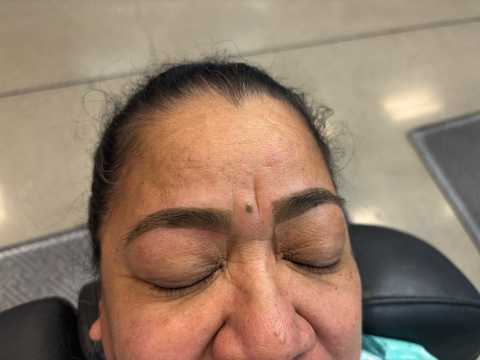
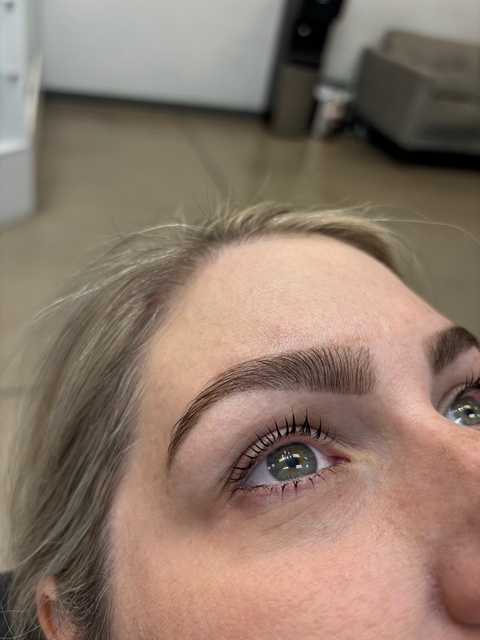
See examples of our Ears Waxing work and results.


What Our Clients Say
$$MultiPurposeText$$
Read testimonials from our satisfied customers

I always come here and i’m ALWAYS so satisfied with how my eyebrows look after a wax

...more
Frequently Asked Questions
Get answers to common questions about Ears Waxing.
Most clients feel a brief sting during waxing; discomfort usually subsides within minutes. Our technicians use soothing techniques and post-wax calming gel to reduce irritation. Numbing cream can be applied on request for very sensitive clients.
Clean, dry ears make waxing safer and more effective. Avoid applying oils, lotions, or heavy fragrances beforehand. If you’re on blood thinners or have an ear condition, mention it during booking so we can advise or reschedule.
Ears waxing slows regrowth; most clients enjoy smooth ears for two to six weeks depending on hair growth. Regular appointments can reduce hair density over time. Individual results vary with hormones and genetics.
If you have active eczema, open wounds, recent ear surgery, or severe dermatitis we advise against waxing. For mild sensitivity we can perform a patch test. Always disclose skin conditions so we can recommend safe alternatives.
Possible side effects include temporary redness, tenderness, or minor bumps. Infection and ingrown hairs are rare with proper care. Follow aftercare and contact us if you notice prolonged swelling, pus, or increasing pain.
Keep the area clean and avoid touching for 24 hours. Avoid swimming, saunas, and heavy sweating for 24-48 hours. Apply soothing aloe or antibacterial cream if recommended, and exfoliate gently after several days to prevent ingrown hairs.